
The three levers of influence
Shopper marketing is more than sales, it’s strategy and psychology in action. Unlike traditional advertising, which courts attention, shopper marketing drives conversion at the critical moment of decision, when the shopper is about to choose.
Over 80% of consumer purchase decisions go to the brands they originally expected to buy, according to research presented at the Cannes Lions International Festival of Creativity 2025. (Link)
Shoppers don’t arrive in-store as blank slates. They come with intent, biases, and preferences. Our goal is to shift that intent. Disrupt that bias. Influence that purchase.
Around 70% of consumers are in the “movable” audience, meaning they are at least open to influence.
Over the years working with global brands on their shopper strategies, we have identified 3 disruptive levers that help to convert shoppers.

01
Identification
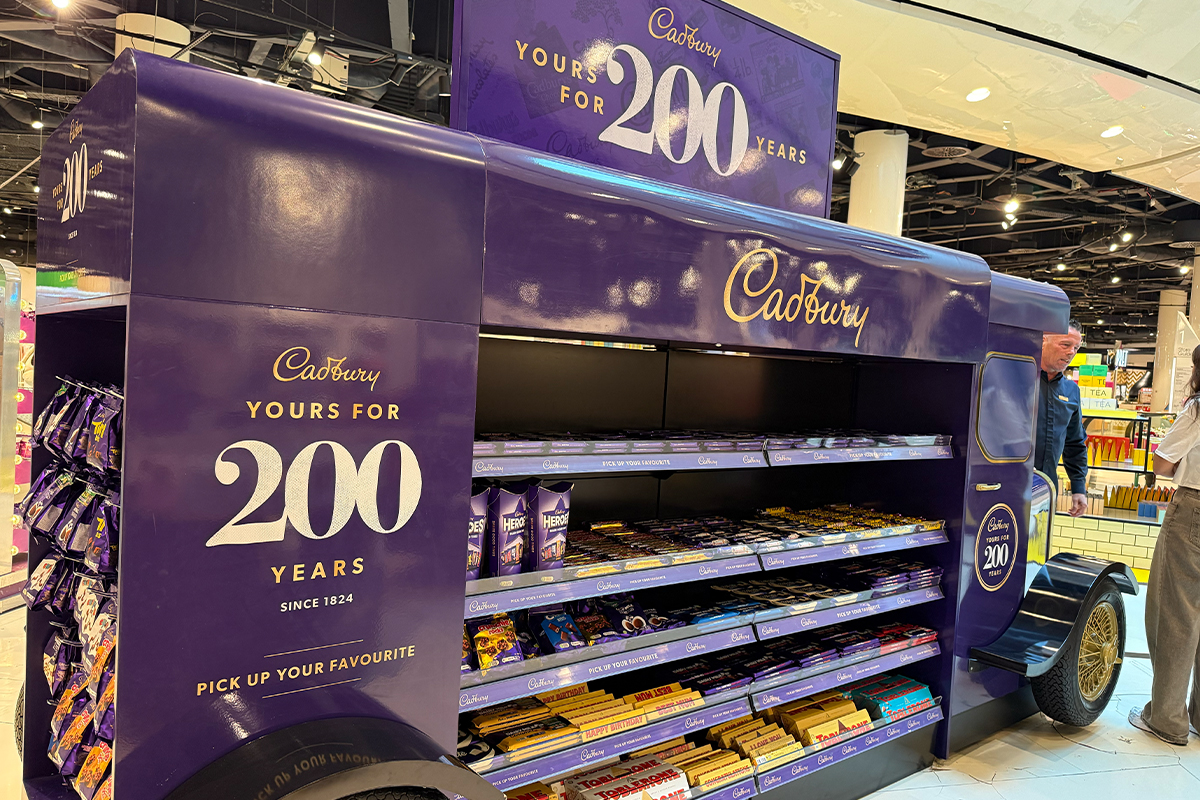
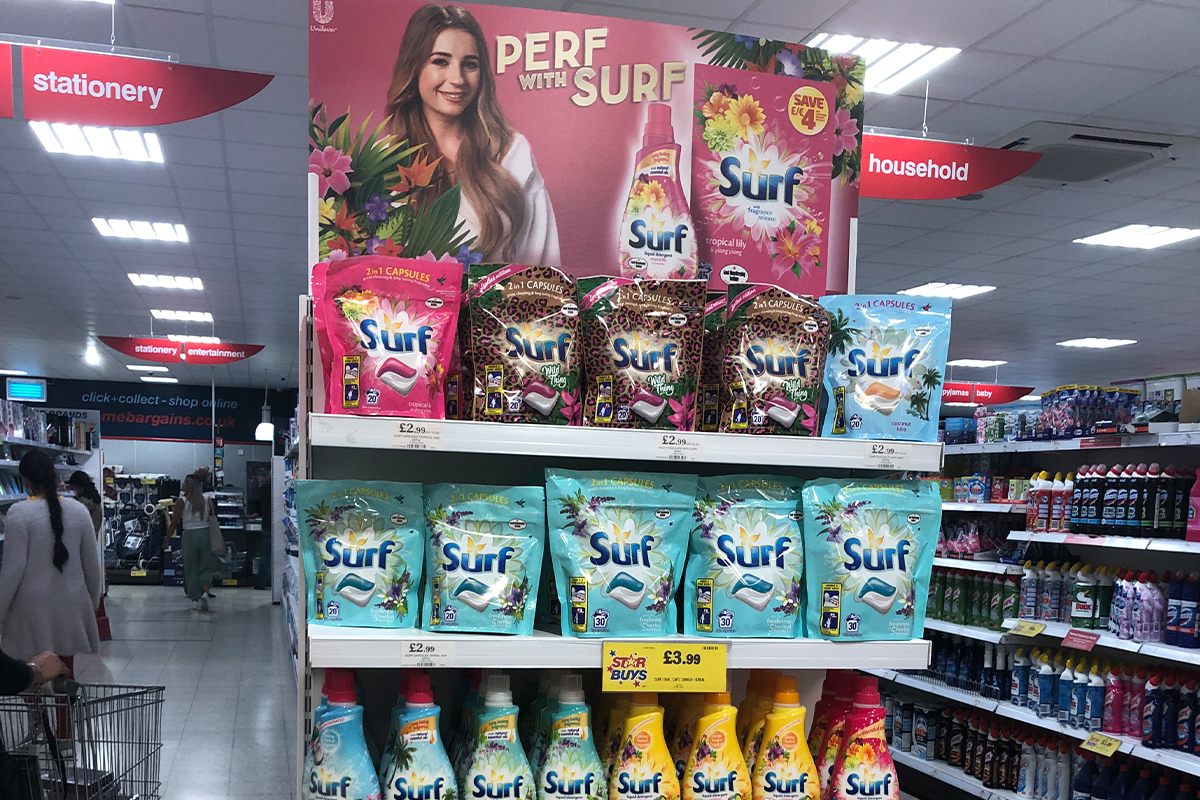
In a crowded retail environment, shoppers make decisions in seconds, often subconsciously. If your brand or product can’t be recognised at a glance, you’ve already lost the moment. Strong, consistent visual identifiers, such as colour, logo, shape, or pack design, cut through the noise, creating immediate mental shortcuts that guide shoppers straight to your product.
But it’s not just about visibility. It’s about memory and trust. Instant recognition reassures shoppers that they’re making the right choice, reinforcing familiarity and loyalty.
Clear identification turns presence into preference, it’s the difference between being seen and being chosen.


02
Disruption
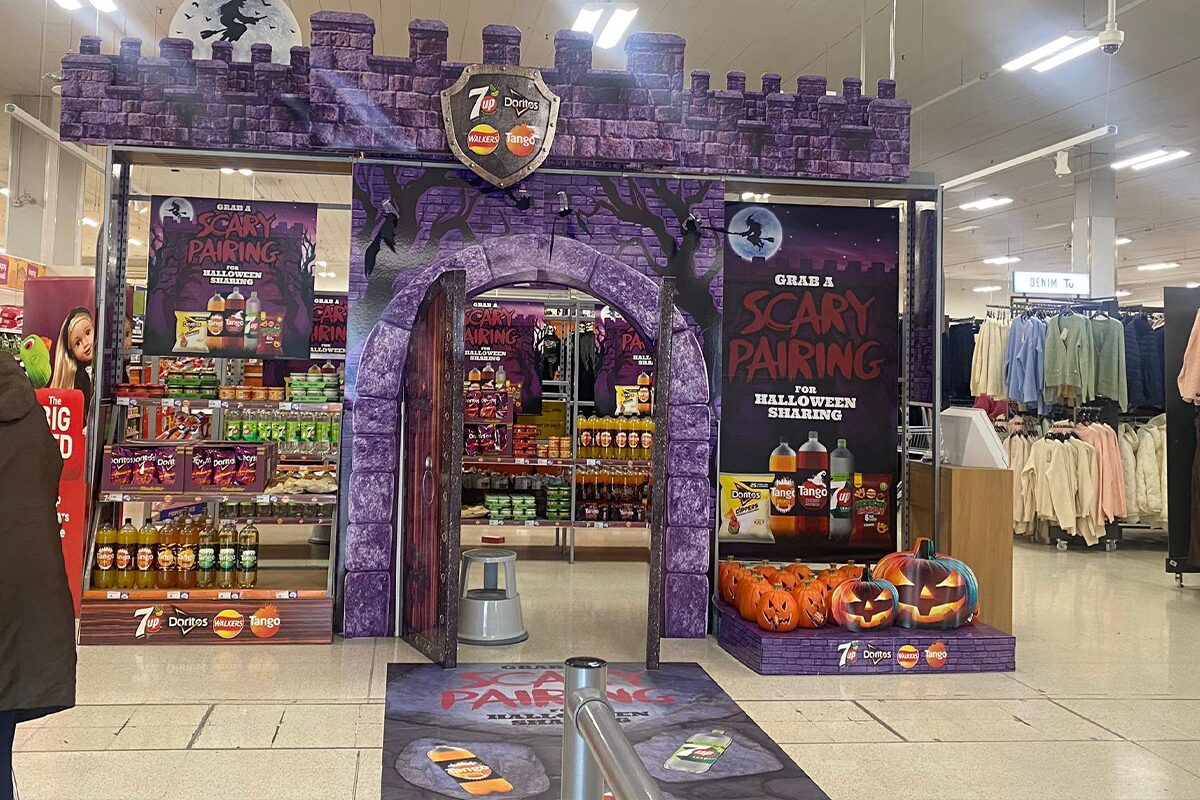
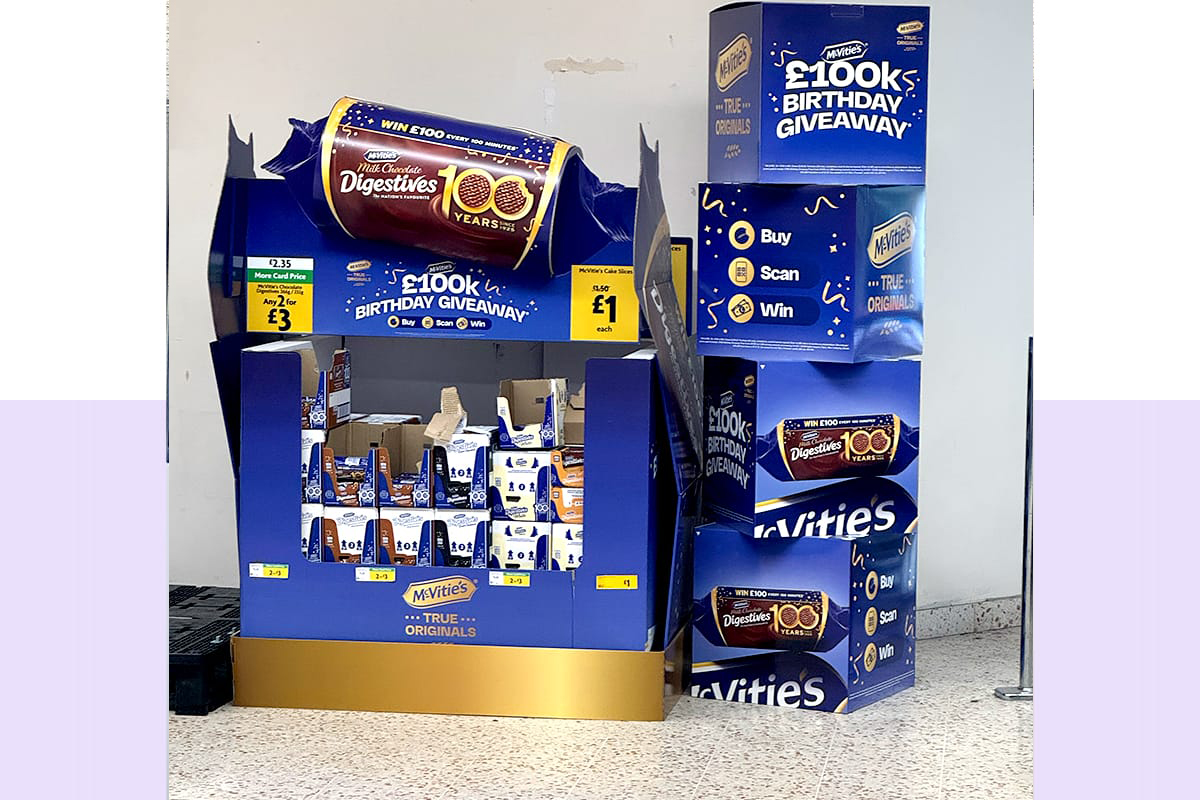
In a world of sameness, disruption is what makes people stop, look, and feel something. It’s about breaking the visual rhythm of the aisle, using unexpected formats, bold colour, or playful storytelling to jolt shoppers out of autopilot.
But disruption isn’t just visual. It’s also about timing and opportunity, price cuts that stop shoppers mid-scroll, limited-time offers that create urgency, or exclusive deals that make people feel like they’ve discovered something special.
When done right, disruption captures both the eye and the impulse. It makes your brand feel more alive, more confident, more relevant. It transforms a routine shop into a moment of excitement, a creative wake-up call that turns passive browsers into active buyers.


03
Enticement
Enticement is where curiosity meets desire, it’s the art of drawing shoppers in, not by shouting louder, but by inviting them to explore. It’s about using layout, signage, and design to create a sense of flow and discovery that feels natural, effortless, and rewarding.
The best in-store activations don’t just present products. They stage experiences. Clever use of lighting, textures, and sightlines can lead shoppers on a sensory journey, where every element builds anticipation. Strategic product grouping, subtle cues, and layered storytelling turn ordinary shelves into moments of intrigue.
When done well, enticement doesn’t just capture attention, it holds it. It transforms shopping from a task into a little adventure, guiding people toward that spark of discovery where they see, want, and ultimately buy.


