Beyond the shelf: where
experience drives results
The store isn’t just a place to buy anymore. It’s a place to feel. Shopper activation mechanics have evolved far beyond cardboard displays and price flashes. Today, in-store experiences are about immersive, memorable moments that transform passive shoppers into active participants.
And the numbers speak for themselves.

Between 74% and 85% of consumers say they’re more inclined to purchase after participating in a brand experience.¹
¹ Source: Live Agency, “How Experiential Marketing Boosts Product Sampling
The rise of experiential retail
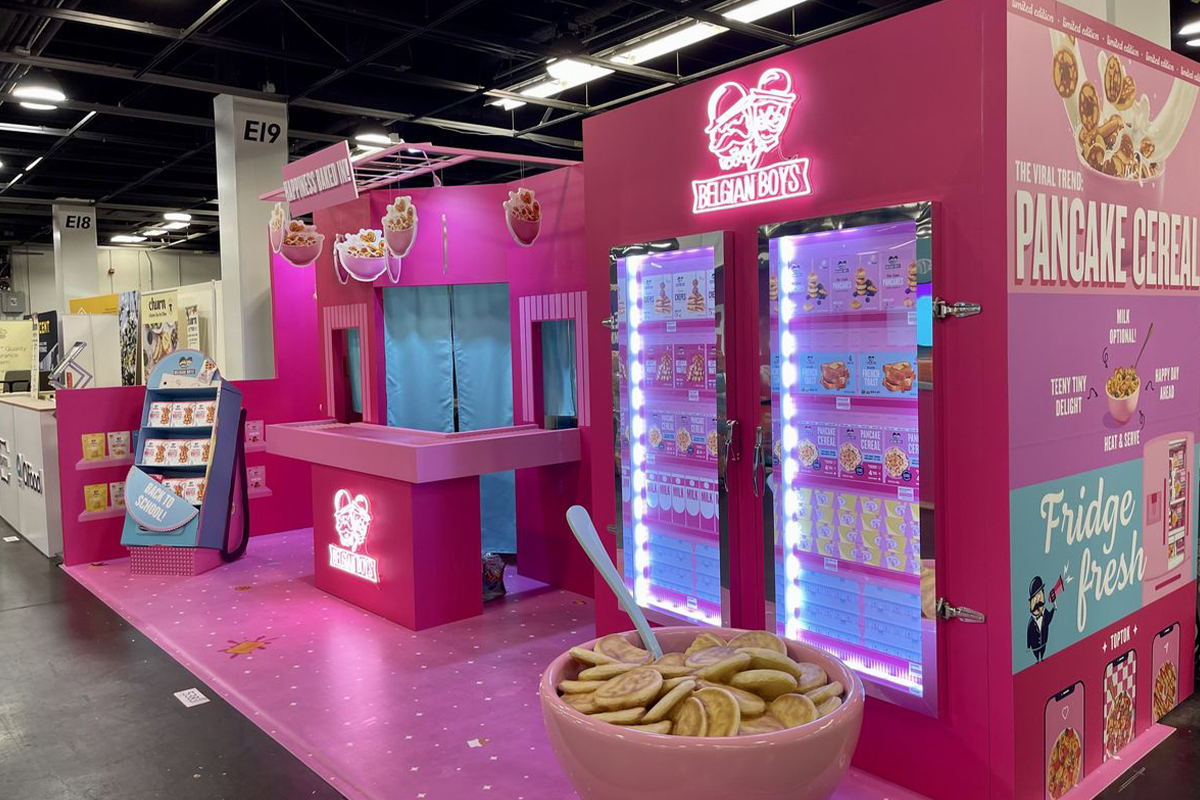
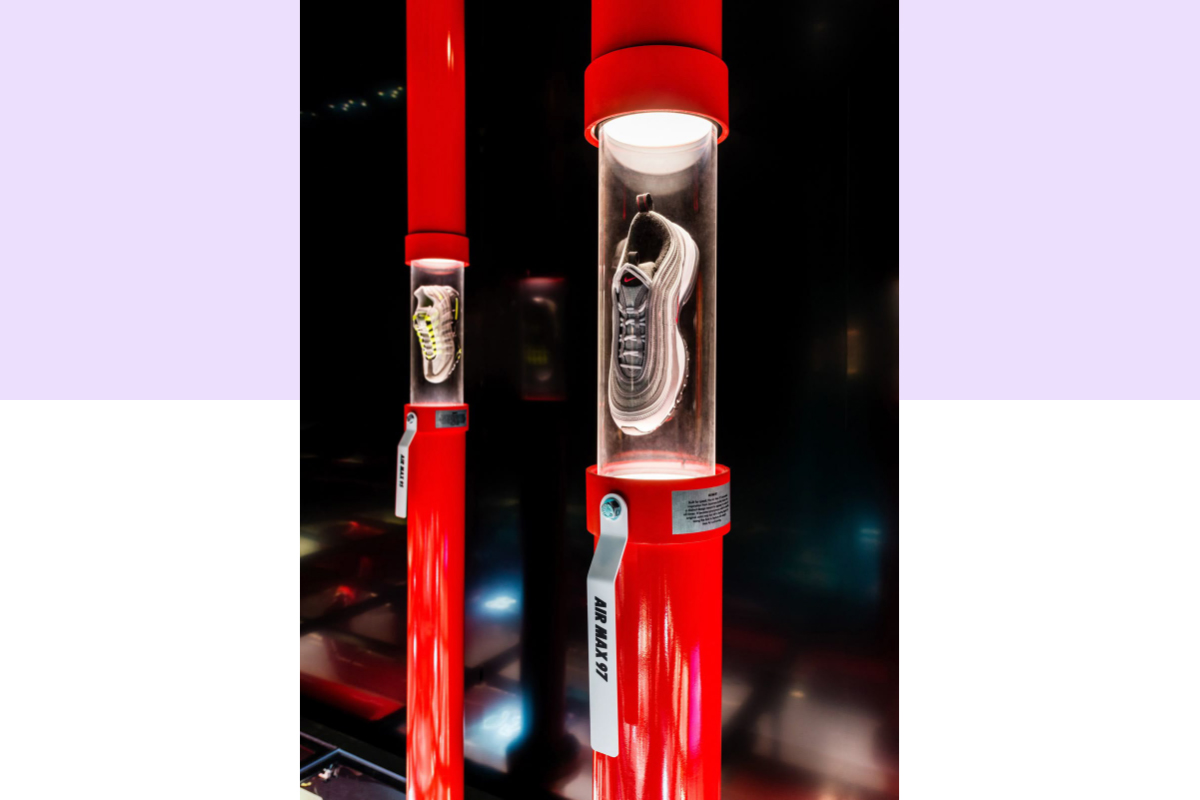
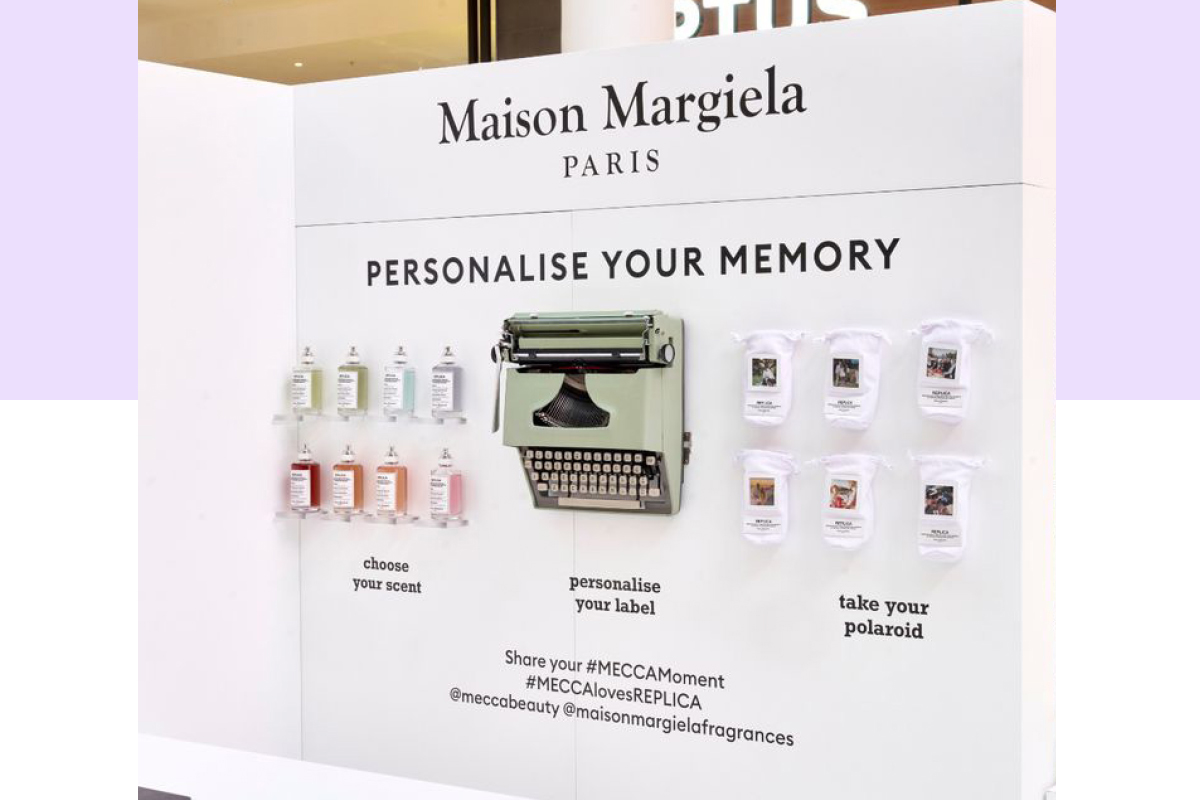
Experiential marketing in-store is about creating meaningful interactions that draw customers in, and keep them there.
That might look like:
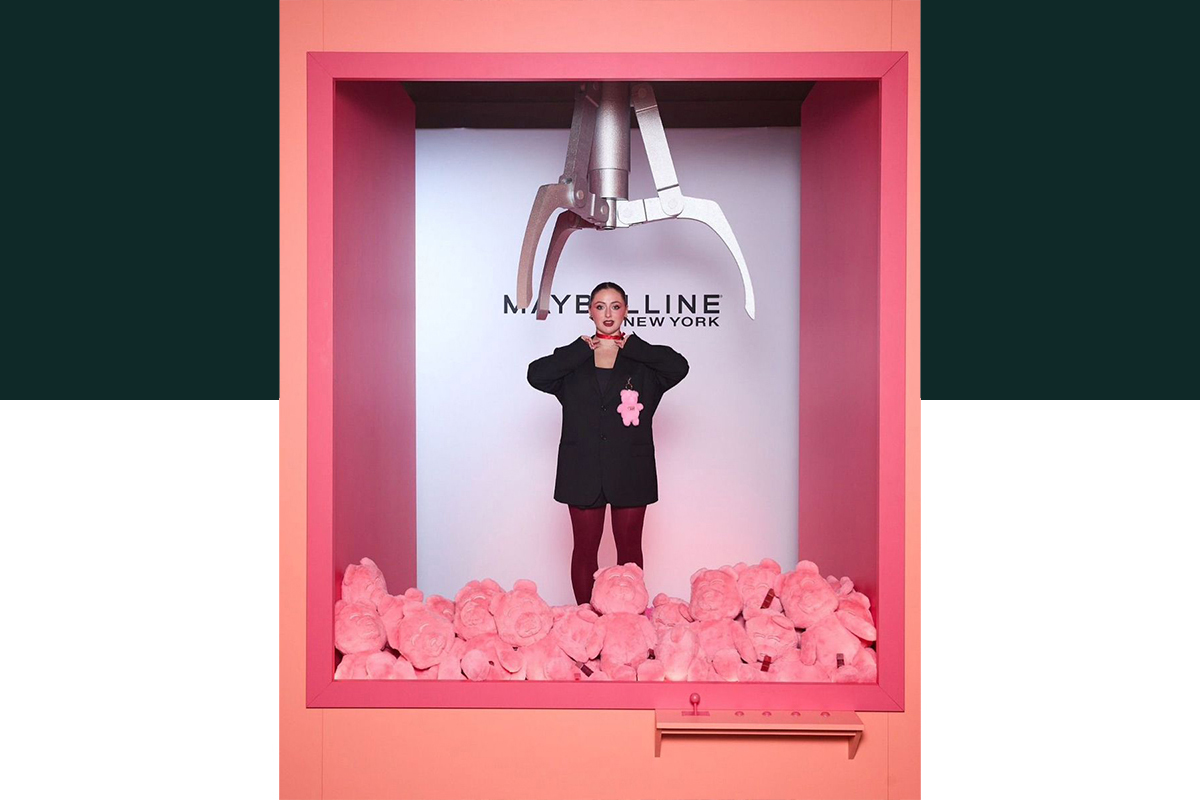
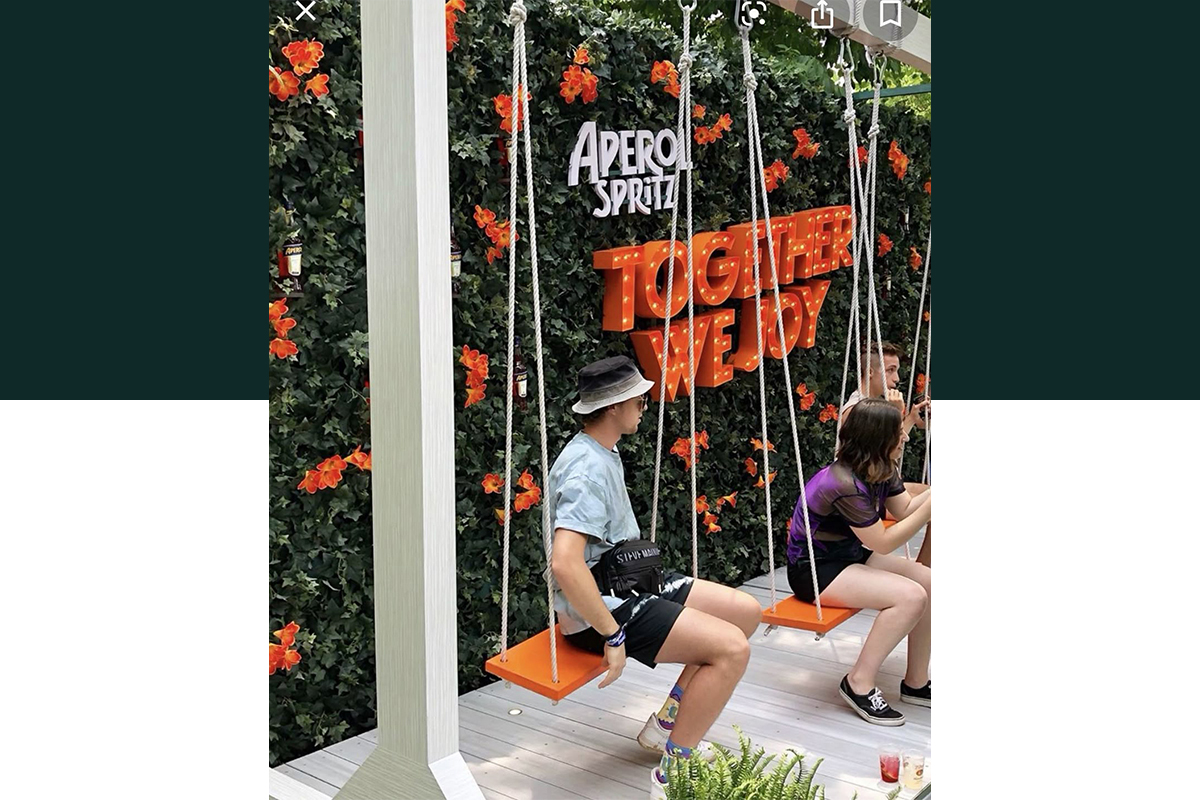
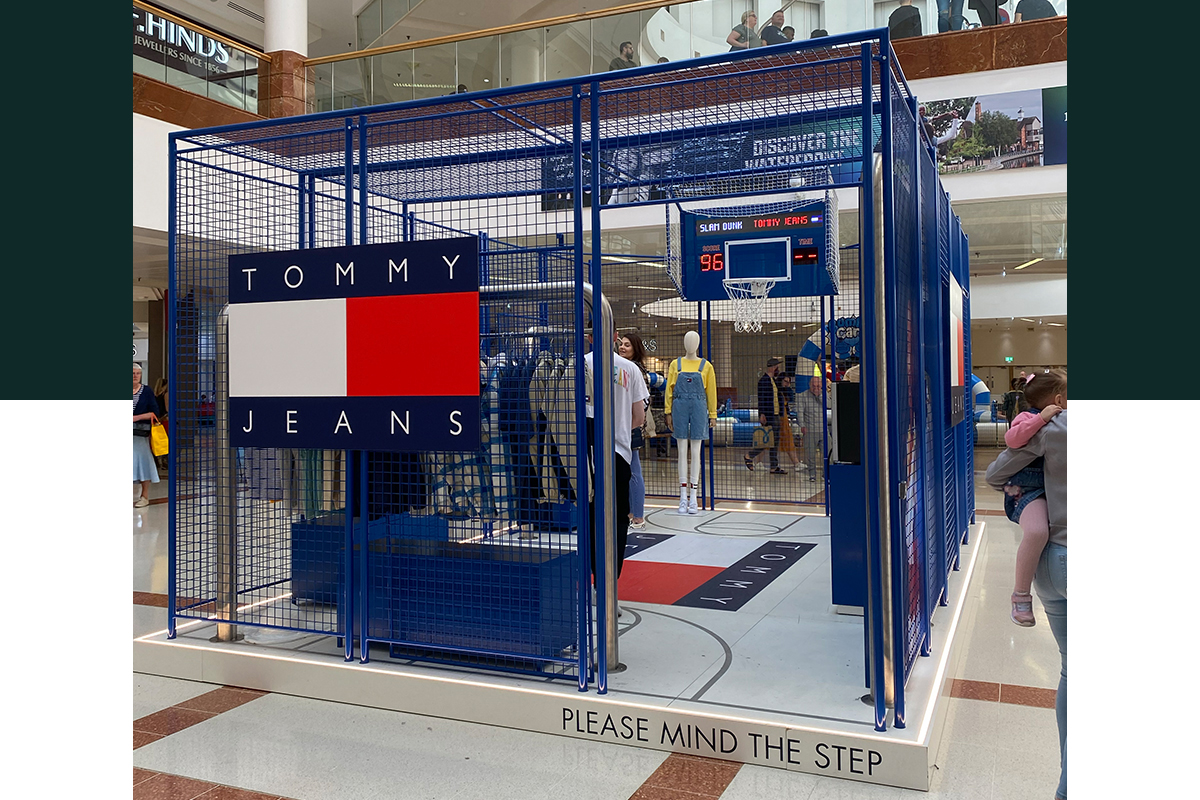
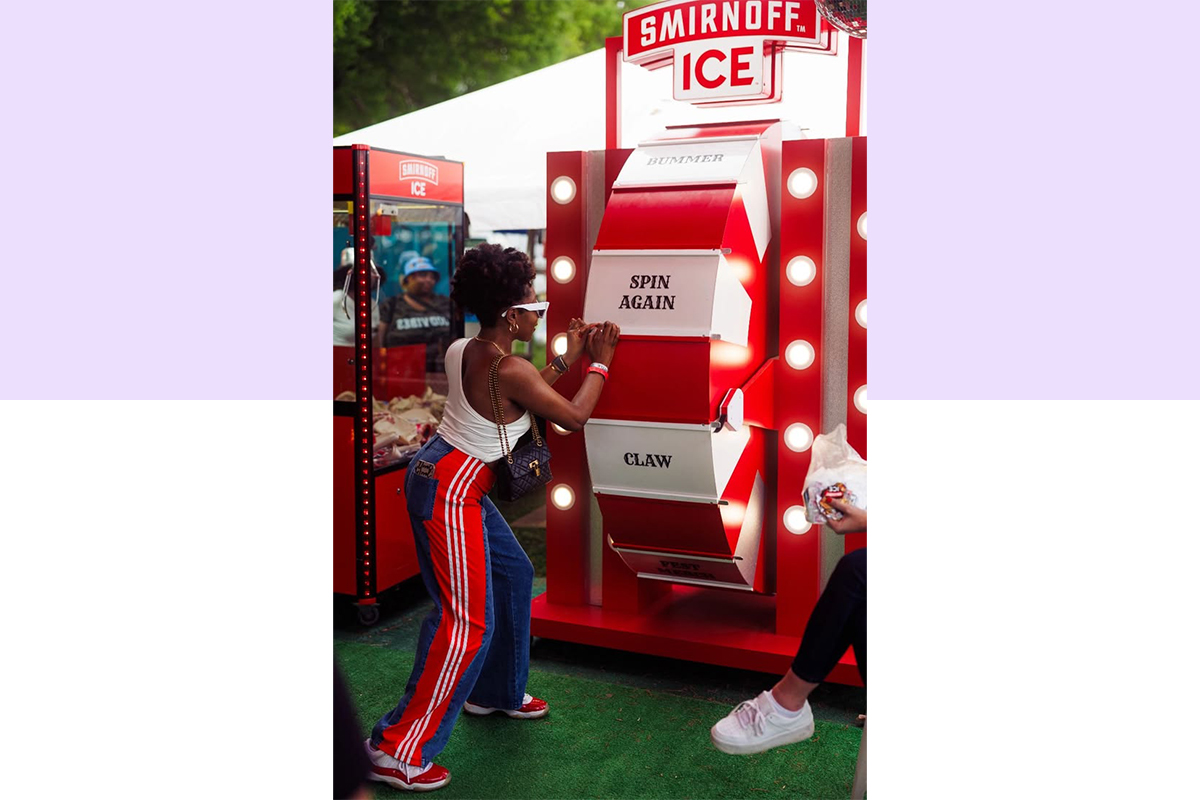
- Interactive displays that invite touch and play
- Live product demonstrations that bring benefits to life
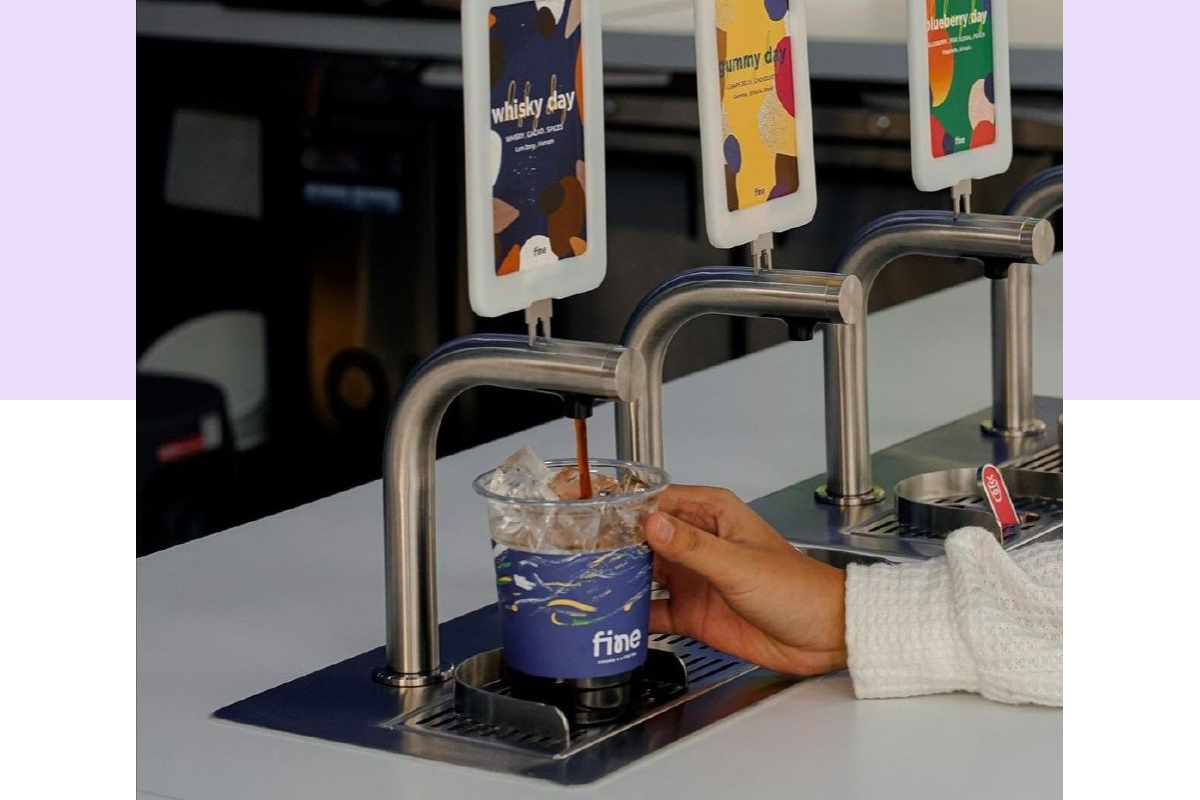
- Sensory activations engaging taste, smell or texture
- Pop-up moments that disrupt routine shopping patterns
- Tech-led tools like AR try-ons that allow customers to experience products virtually
The goal isn’t spectacle for spectacle’s sake. It’s connection.
Because when shoppers engage with a product physically, emotionally or digitally, it shifts perception. The brand stops being a static object on a shelf. It becomes a story they’ve stepped into.

82% of consumers were more inclined to purchase after seeing, holding, or demoing products in-store, highlighting the significant impact of product interaction on purchase decisions.
Why it works
Traditional retail relies on visibility. Experiential retail relies on participation. When customers interact with a brand:
- Dwell time increases
- Recall strengthens
- Emotional affinity builds
- Purchase intent rises
That 74–85% purchase uplift isn’t just about excitement. It’s about memory formation. Experiences create stronger cognitive and emotional anchors than passive exposure ever could.
In a crowded retail environment, particularly in high-competition categories, that emotional anchor is the difference between “I’ve seen it” and “I want it.”

From transaction to emotion
The most effective in-store activations share one thing in common: they transform the brand from something you buy into something you feel.
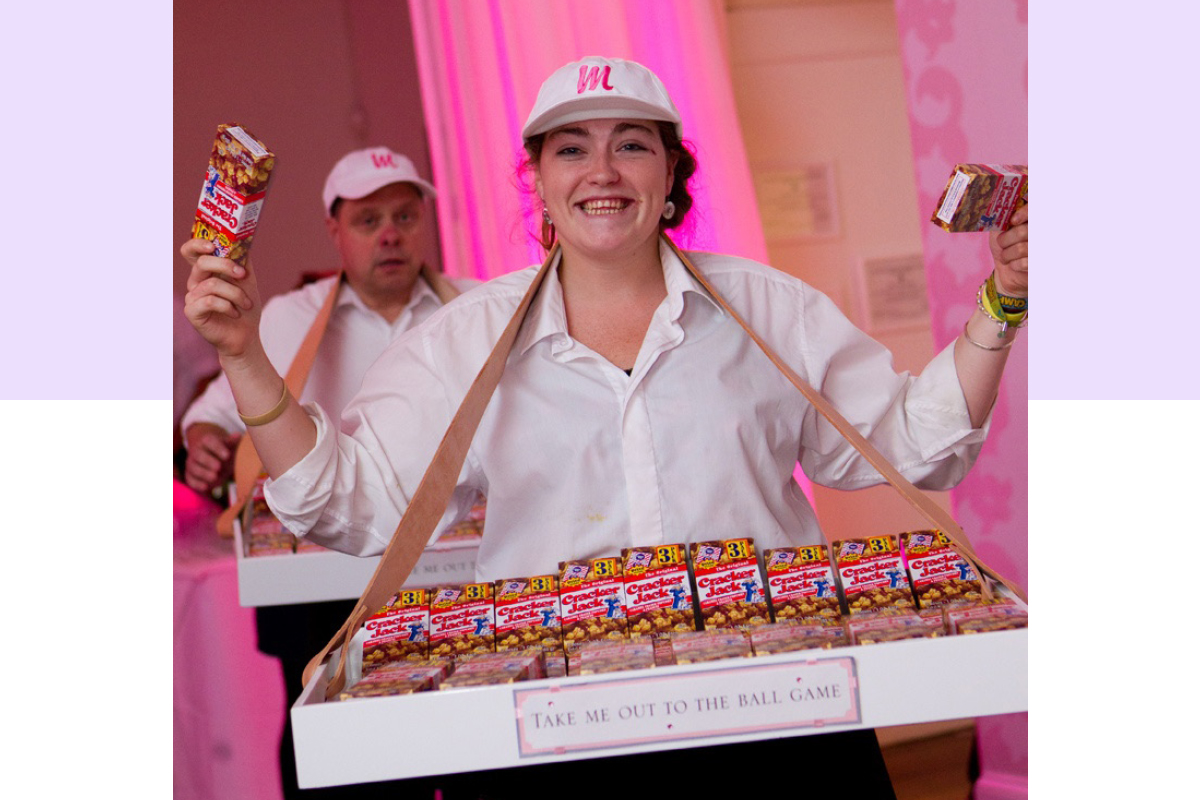
An AR try-on doesn’t just showcase a product, it allows personal ownership before purchase. A sampling station doesn’t just provide taste, it removes hesitation. A pop-up doesn’t just interrupt routine, it creates theatre. And in a world where online convenience dominates, theatre matters.
Physical retail’s competitive advantage is sensory immersion. When brands lean into that, they unlock something digital alone cannot replicate.

Designing for impact
For experiential shopper activation to drive measurable return, it needs to be:
Strategic – Built around clear objectives and measurable KPIs.
On-brand – Authentic, not gimmicky.
Seamless – Integrated into the shopping journey, not obstructive.
Shareable – Designed for social amplification beyond the store walls.
When done well, in-store experiences don’t just boost short-term sales. They strengthen long-term brand equity.

The bottom line
Retail isn’t dead. Passive retail is.
The brands winning in-store today are those that understand a simple truth: people don’t remember shelves. They remember moments.
And when up to 85% of consumers are more likely to purchase after a brand experience, the question isn’t whether experiential marketing works. It’s whether you’re making your brand something shoppers can feel.